
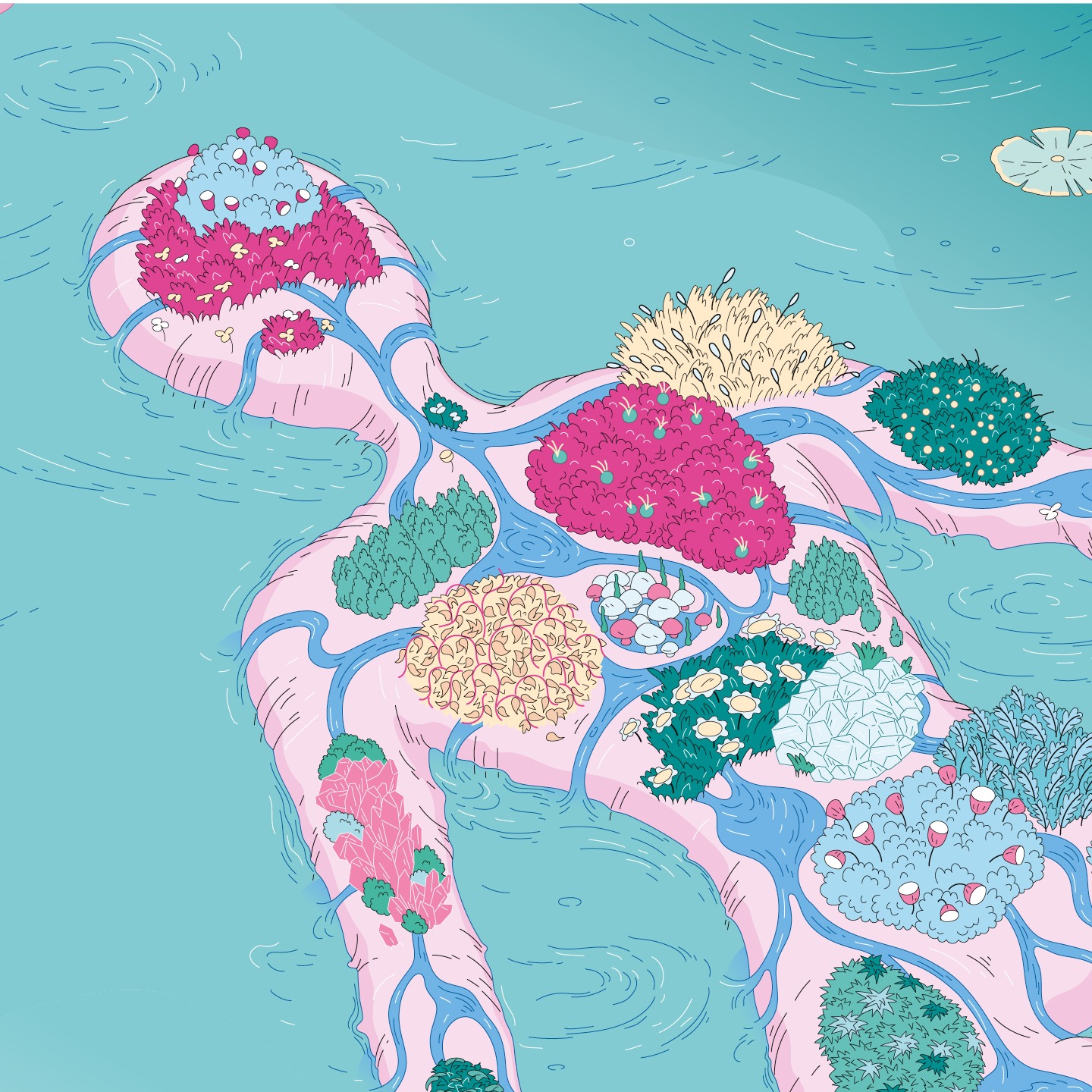
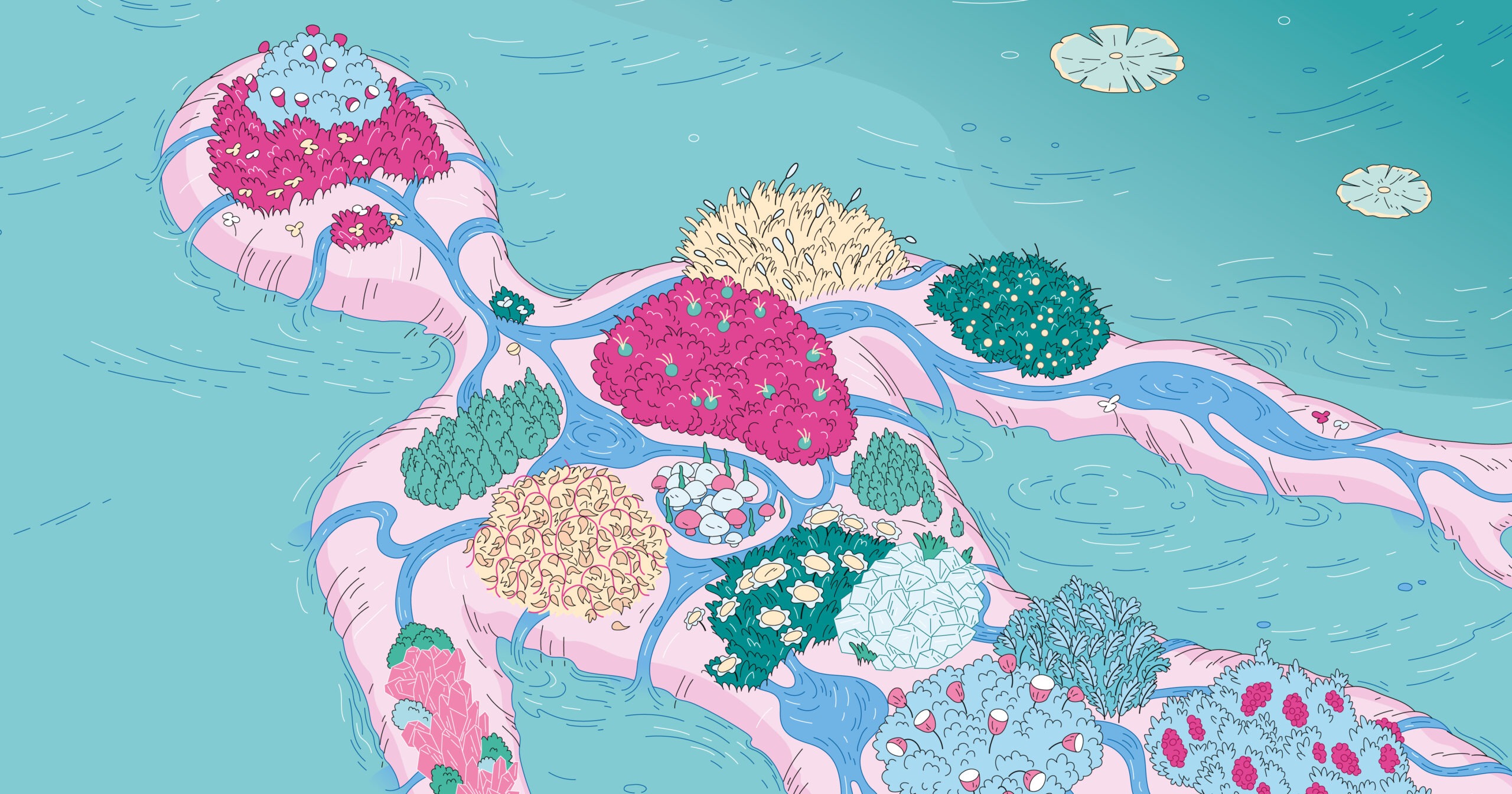
Imagine if your body and mind was run by tiny people at work inside you. They would flip switches and send commands to control your organs – your brain, lungs, liver and kidneys. They could run your digestion, and even fight off bacteria. That was the nutty idea behind The Numskulls, a comic strip born in the 1960s that’s been so popular it’s still going strong today, currently in The Beano.
The nugget of truth in that comic series is that your body really is a minefield of hidden messages. But rather than tiny technicians working in concert, it’s your organs and other body parts that do the talking. This was shown by a recent study involving, of all things, deer, and how their antlers regenerate. Biologist Chunyi Li, who’d studied deer in north- east China for decades, noticed that when the animals regrew their antlers each year, they also appeared to be healthier.
Li’s hunch – that the regrowth had a positive effect on each deer’s whole body – was confirmed last year when he and his team at a university in Jilin, China, discovered that the growing antlers release messages telling other parts of the body to shift into regenerative, wound-healing mode. They also found that when blood taken from deer in regenerating mode was given to wounded rats, it helped to boost the rats’ healing. They’re now working to test this regenerative ‘magic’ in humans.
Molecular messengers
Other research has shown how organs and tissues ‘chat’ to each other. A 2024 study found that messages between the brain and fat tissues can influence the speed at which you age, while another has shown that your skeleton sends information to the pancreas to control metabolism.
Today, ‘inter-organ communication’ is being mined for its valuable insights into ageing, metabolism and overall health. And it’s giving new-found respect to certain body parts once seen as inert or, frankly, dull. After the discovery that fat tissue makes a hormone called leptin, which is a big factor in controlling appetite and the body’s energy balance, its image was transformed from boring blubber to dynamic vital organ.
Another example is bone: once written off as a lifeless structure for flesh and muscle to hang on, bone is now known to be alive, chatty and far from inert. It is, in fact, hugely influential on other body parts – bone secretes osteocalcin, a hormone vital to metabolism and exercise performance, among other things. And boosting falling levels of osteocalcin may one day offer a way of tackling age-related decline in muscle and brain function.
Targeted therapies
Some messengers aren’t working entirely in our favour, however: a study in 2025 showed that cancer cells manipulate inter-organ signalling (via nerves) to undermine the body’s immune response, and thus ensure their own survival. But discoveries are being made all the time of ways in which these messengers are working for us; a 2020 study showed that inter-body signals can be jammed by blood-pressure drugs, such as beta-blockers, and this can be used to prevent bone loss, with clinical trials under way in this area.
‘I think we’ll suddenly see that organs are communicating in ways we didn’t know about,’ says Irene Miguel-Aliagaat the Francis Crick Institute in London, ‘and then if we find that, we might be able to see what goes wrong in disease.’
So it turns out that learning to listen more attentively to inter-body chit-chat can be a good thing all round. It seems those Numskulls weren’t so nutty after all…