What do you think of when you hear the word obligation? For many, it can create an uncomfortable, often negative feeling, where you feel pressured into a commitment. Perhaps you feel a reluctance to show up and complete a task, which obligation has turned into an inconvenience. And yet, as an integral part of the fabric of society, fulfilling obligations to others can be beneficial not just for them, but for you as well. Research has shown it boosts self-esteem, improves mental health and can even help you to live longer.
Juliet Wakefield has been a social psychologist at Nottingham Trent University for 10 years, researching the concept of the social cure, which emphasises the importance of group membership for health and wellbeing. She sees obligation not as a one-way commitment, but as ‘at the heart of any kind of social interaction that is to be valued’.
According to Juliet, the idea of group membership is that it’s ‘a two-way street’, where there are reciprocal benefits of showing up and playing your role in a task. On the one hand you contribute something, but on the other it serves as a boost for your own wellbeing.
‘It allows you to feel connected to others and that you’re capable of giving – and it creates trust within the group that what you’re offering is well-intentioned and of value,’ says Juliet.
Everyday obligations are an essential part of healthy functioning. Simply turning up to work, attending your local book club or showing up for a stewarding slot at a charity run helps to keep your own life on track. ‘It’s vital you feel it’s important for you to show up to your commitments, and make the effort and be motivated,’ Juliet explains. ‘It can push you into moving yourself forwards and making sure you’re engaging and looking after yourself, mentally and physically.’
But for an obligation to be beneficial, it also depends on the context of the activity you’re participating in. Feeling obligated to participate in unhealthy activities such as binge-drinking, for example, substance abuse or acting in a negative way towards others to stay part of a group will have negative impacts on your health rather than positive ones.
The biology of belonging
According to the theories of evolutionary psychology, at their core humans are social creatures, and a sense of community helps you to feel safe. Obligations to something outside of yourself, in a world that increasingly champions independence, can help you to reconnect to fundamental biological instincts.
‘There’s biological evidence to support the idea that groups benefit health and wellbeing,’ Juliet explains. ‘Lower levels of cortisol (stress) hormones, heart-rate variability and lots of other biological mechanisms are enhanced through group connection and belonging.’ Obligations help to keep you within social groups and interacting with others, when otherwise you might be more isolated. But it goes much further than that. Fulfilling your obligations and being part of something is also crucially tied to life expectancy.
‘The two most valuable factors for lengthening people’s lives are having a strong sense of connection to groups, and having a lot of social support from people around you,’ reveals Juliet. In other words, the social interactions you participate in by showing up to meetings, attending sports practices and anything else you’ve signed up to doing, can contribute directly to how long you live.
Indeed, scientific studies have shown that loneliness is one of the major threats to life expectancy on health, on a par with smoking, excessive alcohol consumption and lack of exercise. In older adults, loneliness has been identified as a risk factor for depression, cognitive impairment and sleep disorders. Having commitments and responsibilities to others combats loneliness – because if you don’t show up for something, you know you’ll be missed.
Healthy obligations
So what types of obligations are most beneficial to health? Juliet says: ‘It shouldn’t be a huge, scary, overwhelming thing, but something that allows you to step up your game a bit, step out of your daily routine and become the best version of yourself.’ Making the extra effort to support a neighbour, having a say in what impacts your local area or signing up to a new hobby are all healthy obligations. Help-giving through community initiatives or volunteering is shown to have a particularly noticeable benefit.
‘There’s a huge literature showing that if you volunteer in your community, it benefits your health and wellbeing,’ says Juliet. ‘It makes you feel more part of the community, that you’ve got a stronger voice within it and can influence change for the better and improve injustices.’
Working towards shared goals with other community members also helps to foster social cohesion among people from a wider variety of backgrounds.
‘If you volunteer for religious reasons, it can make you feel more connected to your faith as well,’ Juliet adds. ‘If you’re non-religious it can still make you feel more connected to the community and to fellow humans.’
These types of obligations can help you to develop real-life bonds with the people living near you, and to make visible differences to the community through responsibility – which in turn not only cultivates a feeling of belonging, but also boosts your self-esteem and sense of efficacy.
Finding ways to be obligated
If you’d like to explore new ways to be obligated to others, Juliet suggests starting in your local area. Here are some ways others are fulfilling their obligations:
- Volunteer at your local foodbank and make a direct impact on vulnerable members in your neighbourhood.
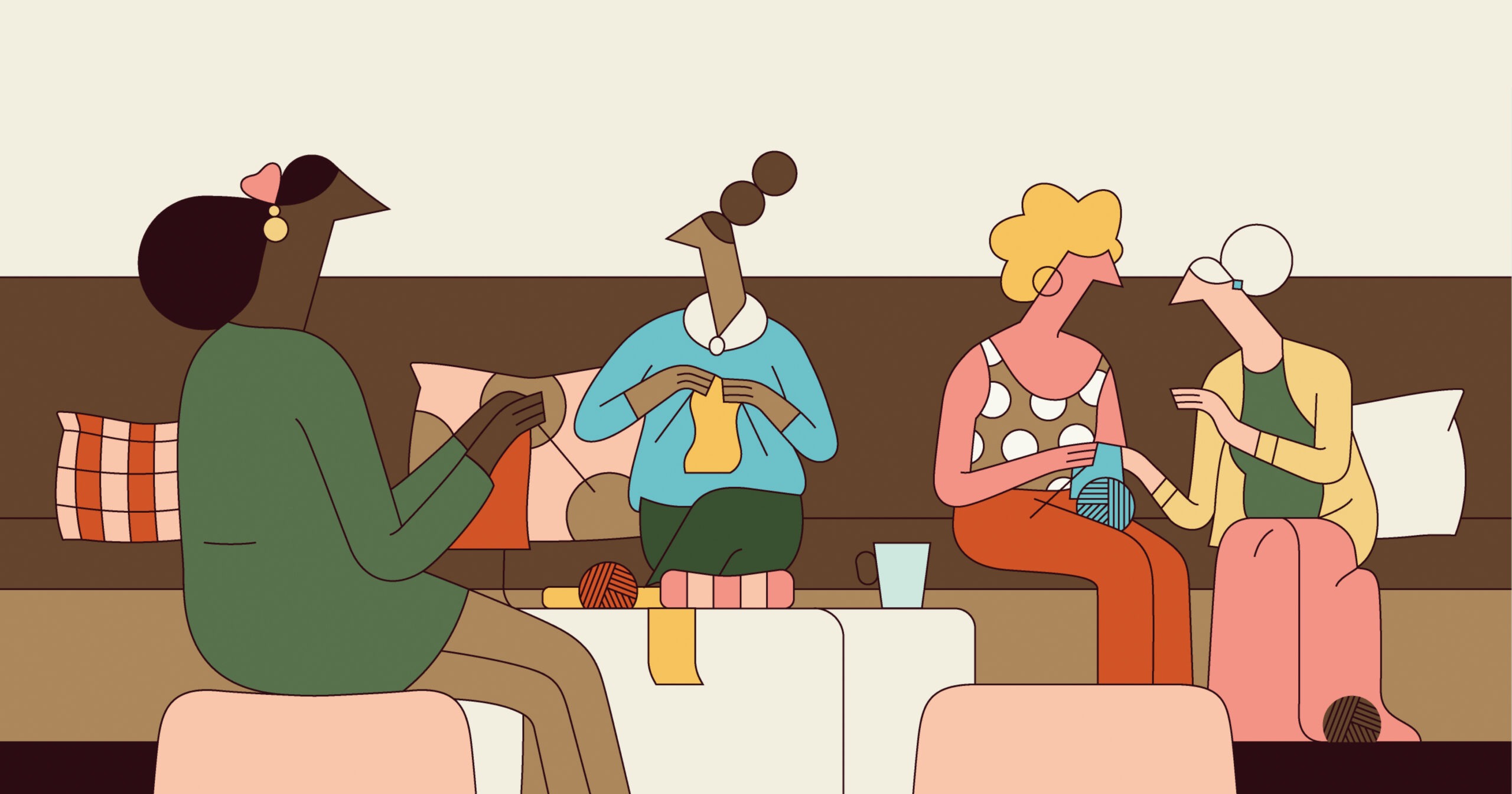
- Join a creative activity such as a knitting club, book club or amateur dramatics group.
- Volunteer at your local Parkrun and support your local community in improving their physical health.
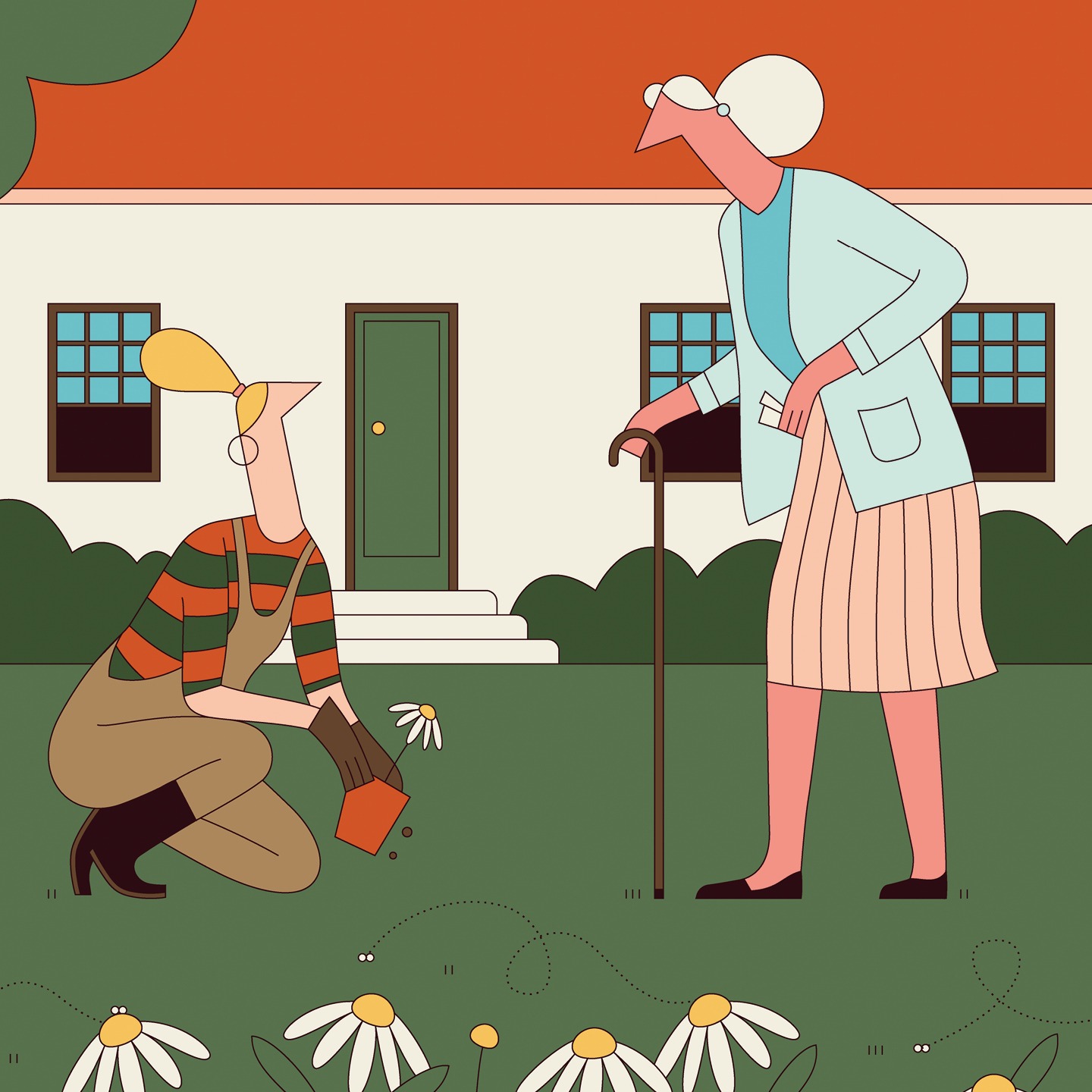
- Check in on your elderly neighbours and support them with tasks they find difficult, or simply pop round for a chat once a week.
- Share your skills with others by setting up a meet-up or teaching.
- Get involved in local politics or community initiatives to help improve the area you’re living in.