
Every December, there comes a moment of nostalgic familiarity. A box is lifted down from the loft. Tape is peeled away and the tissue paper rustles. Beneath the carefully wrapped baubles and strings of lights sits something unexpectedly precious: a lopsided clay star with too much glitter, a paper angel with bent wings, a faded salt dough hand print made at school 20 years ago.
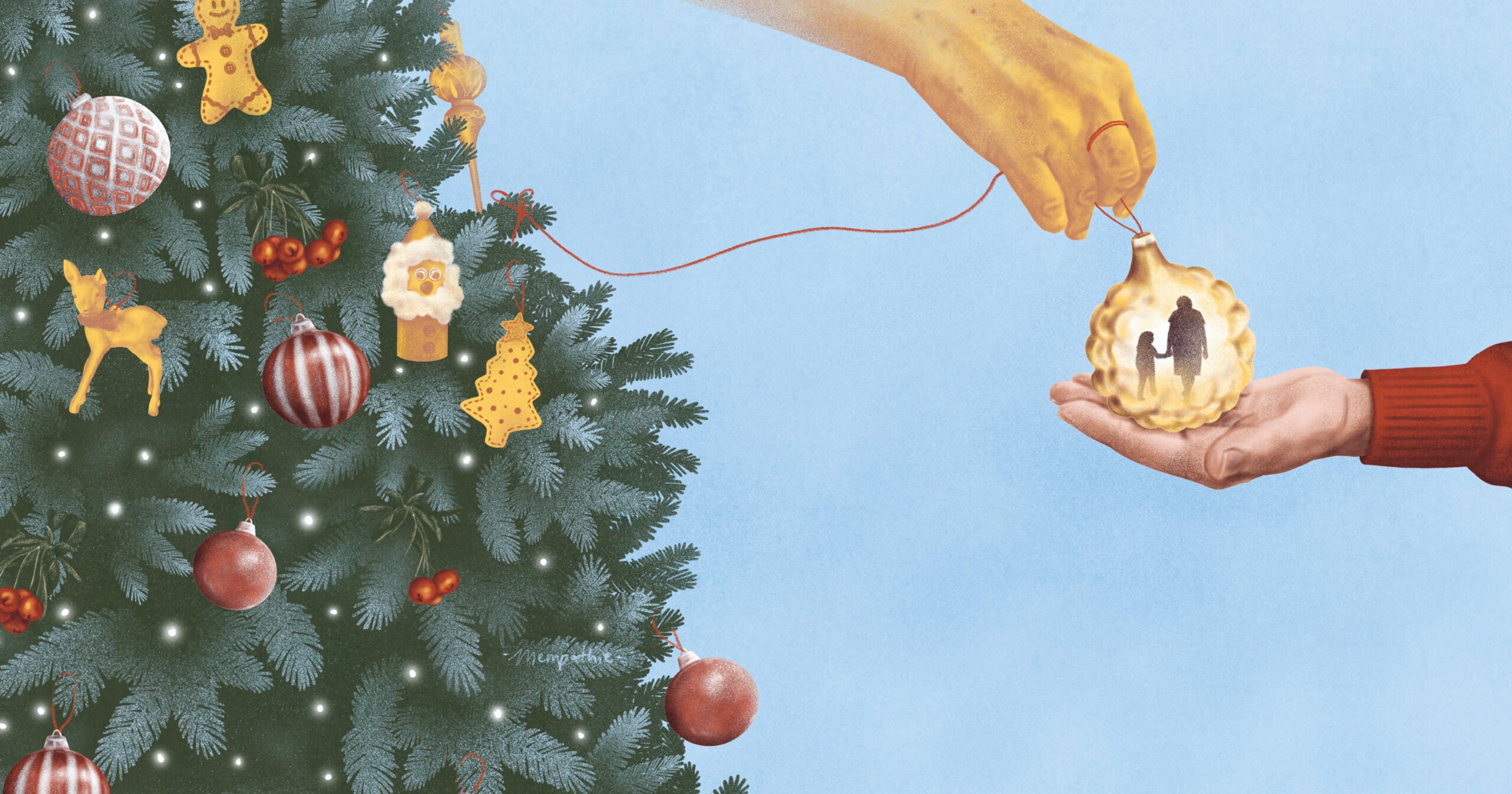
Perhaps there’s a felt ornament sewn by a grandparent who’s no longer here. A knitted snowman made by an aunt. A decoration that has survived house moves, tangles of fairy lights and years of family Christmases. And somehow, despite each year’s changing tastes and colour schemes, these are the ones you reach for first.
Why do we keep them? Why are they so hard to throw away? And what is it about these pieces that feels so deeply tied to Christmas itself? Perhaps the answer lies in what they really hold. Not the glitter that comes off in your hands every time you pick it up, or the frayed ribbon, but the memory.
Stories to tell
Christmas ornaments rarely function as simple objects. Unlike your everyday household possessions, festive decorations spend most of the year hidden away. They emerge only briefly, carrying with them an emotional power. They could be called treasured possessions – physical objects that help anchor experiences, relationships and identity.
A misshapen reindeer made by a six-year-old is not really a reindeer at all. It becomes a doorway back to the packed lunch boxes, the tiny school shoes, rushed mornings and a particular version of your child that existed for only a fleeting season. The crocheted Christmas pudding is no longer just yarn and ribbon. It’s evidence of evenings spent together knitting and laughing by lamplight.
Maybe this is why people often become emotional when decorating the tree. You’re not simply unpacking Christmas, you’re unpacking time. Each ornament acts almost like a bookmark in your history:
‘This was the year we moved house.’
‘Grandad bought me this when I got my first tree.’
‘I picked this up when I went travelling in Asia.’
‘This survived the dog completely knocking the tree over.’
Stories quietly surface as decorations are unwrapped. Memories return through touch, noticing texture, colour, smell and repetition. Long before the first mince pie is eaten, the act of decoration has already begun, reconnecting you to yourself.
Memories unwrapped
There’s a reason you might feel calmer when festive traditions begin. Research into ritual and wellbeing suggests familiar seasonal practices can provide comfort, stability and emotional grounding. Shared traditions help make sense of time. They create markers in the years, reassuring you that life continues in familiar rhythms, even when much else feels uncertain.
Decorating a tree is, for many, one of these rituals. The same songs are played. The same arguments resurface. The same ornaments appear in the same places. Relationships change. People are lost and welcomed. Life shifts in quiet and enormous ways. Yet the little Robin bought years ago still hangs on the same branch. The tradition remains.
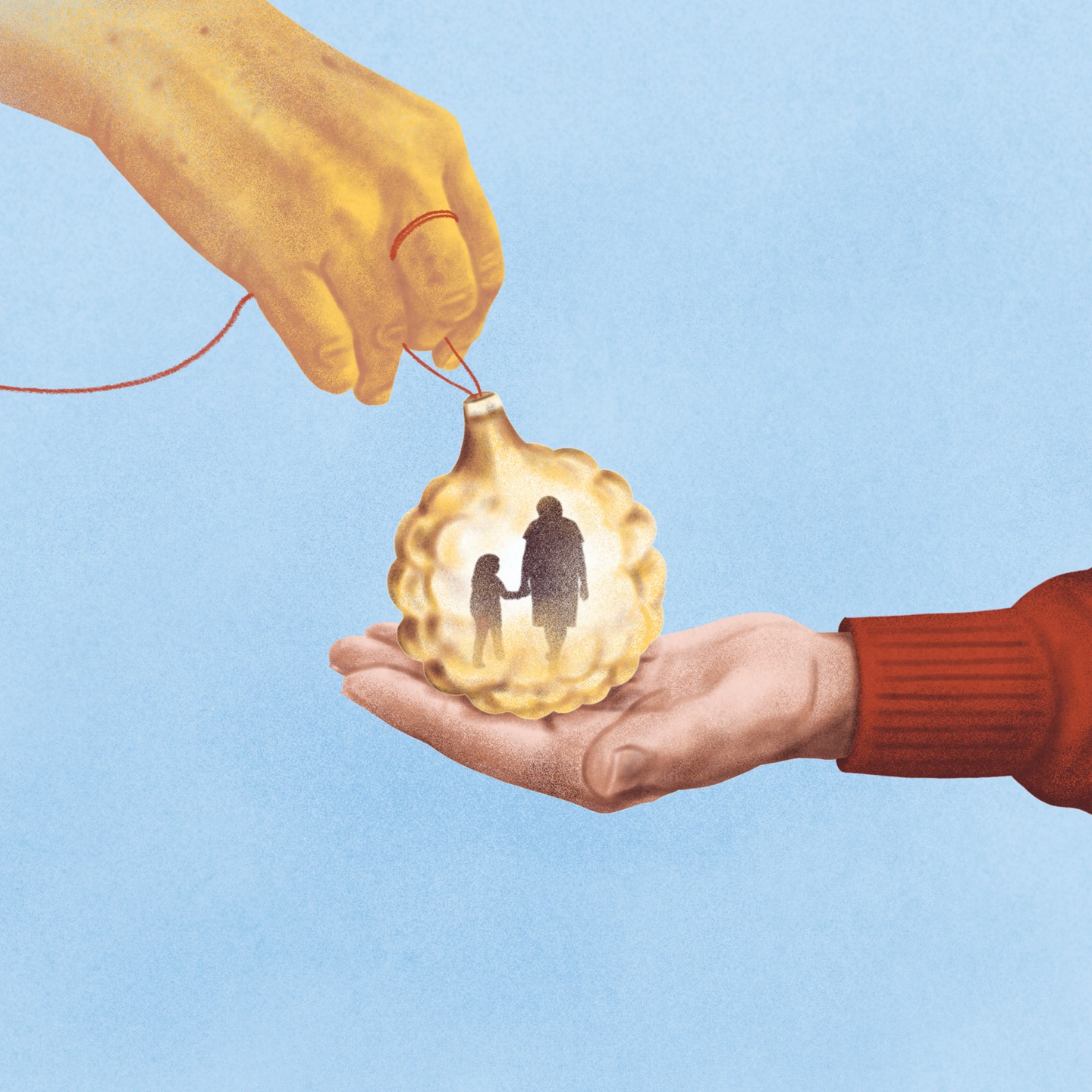
Christmas has a way of sharpening absence and moments of grief might be woven between more joyous ones. An ornament inherited from a parent or grandparent can suddenly carry emotional significance. Recent research around grief suggests meaningful possessions can help maintain what psychologists call continuing bonds – creating healthy emotional connections with loved ones who have died. Rather than moving on, people may find comfort in carrying someone forward, and ornaments can be a part of that. Hanging these pieces on the tree becomes an act of remembrance. Not in a grand way, just in a small, simple action that’s repeated every year.
In an increasingly worried world, these rituals matter because they’re a reminder that you belong somewhere, even when you can’t celebrate with those who created them – within a family, a story or a shared history. Festive ornaments often become symbols of this continuity.
Why imperfection matters
Modern Christmas can feel oddly pressured. Scrolling through social media, it’s easy to believe that festive homes should look a particular way. Carefully curated and coordinated with matching ribbons, tight palettes, beautiful trees. Yet perfection rarely feels as meaningful as personality. A tree covered in matching decorations may look beautiful, but a tree filled with history feels alive. Handmade objects reveal evidence of care. The uneven stitching, the crooked eye, the bright blue snowman painted with love. The imperfection reminds you that a real person made this. Someone sat at a kitchen table, concentrating hard. Handmade things carry traces of human presence. And perhaps this is exactly what we hunger for during winter – reminders of connection. In a season often wrapped in commercial expectations, handmade ornaments quietly resist perfectionism. They say: people matter more than polish.
This year, before rushing to style the tree or untangle the lights, take a moment to pause over the decorations that make you smile unexpectedly. The faded star, the bauble that’s held together with tape because no one can bear to throw it away. Ask yourself what it remembers. Whose hands made it. What chapter of life it quietly carries. Because they’re all reminders. Of who you have loved, who you have been. And how, even as life changes, some small things continue to hold us steady.
Frances runs a needle-felting business, and teaches the craft to beginners with the aim of creating a space for mindful creativity. Find her on Instagram @foxandfeltuk