

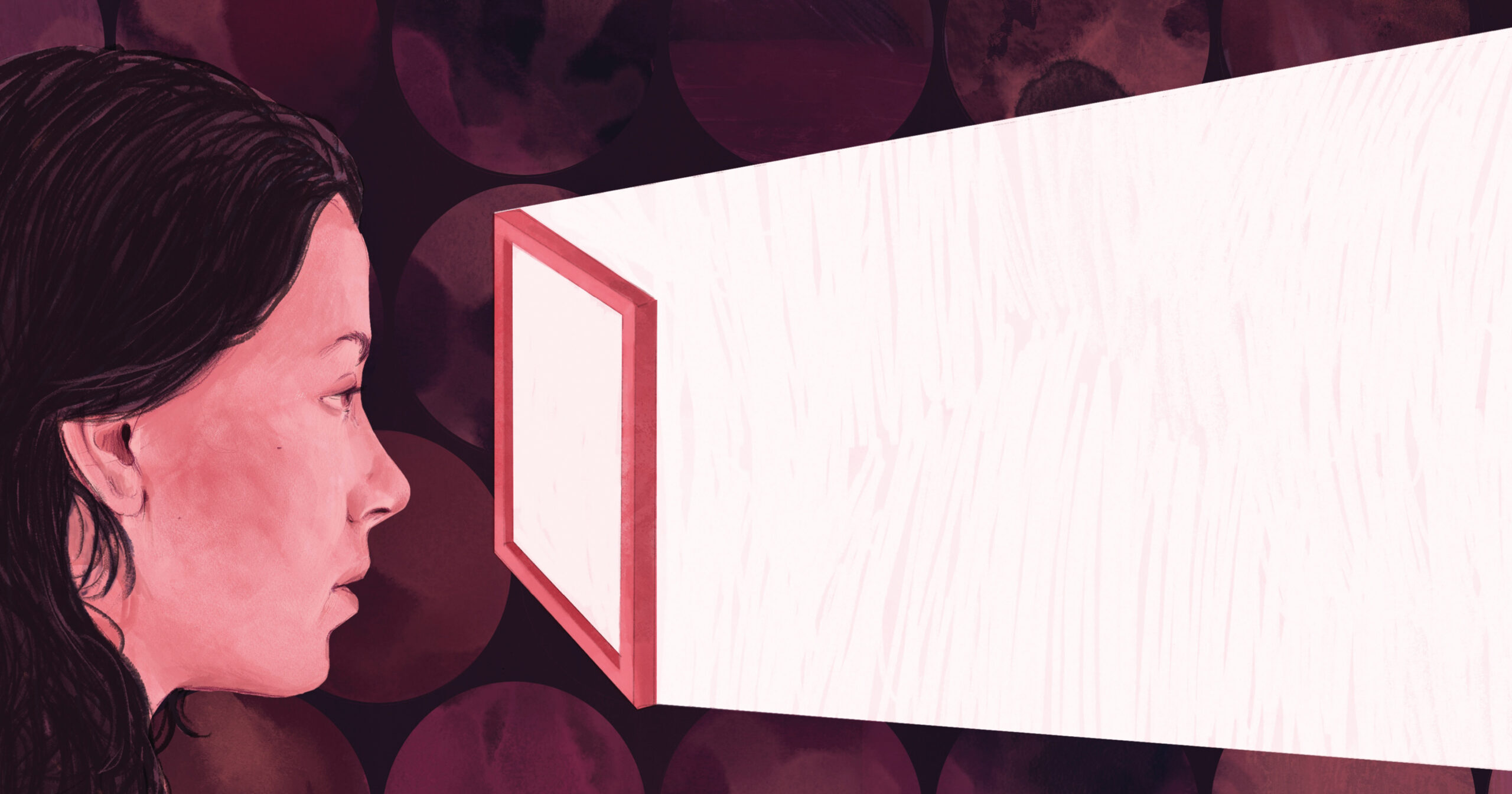
There is a part of the creative process that often goes unnoticed. It isn’t the spark, the initial idea that came into your head on a random Thursday afternoon. Or the rhythm of the making, or even the standing back and looking as the picture or piece emerges. It’s the quiet pause at the end – that moment when the work is finished yet still not quite done. For many makers, that moment arrives with a frame.
Framing is usually spoken about in terms of protecting the work and making it display-ready, allowing it to sit well in a space. But emotionally, framing a piece of creative work does something deeper. It draws a line between the process of the making and the act of letting go. It can also mark a transition between privacy and making public, between possibility and realisation, ‘what if’ and ‘this is’.
In a world that celebrates productivity and the consistent idea of moving on to the next, the act of finishing can feel difficult. Learning to end a piece gently and observe the thoughts that accompany this may be just as important as learning how to begin.
The messy middle
Most creative people know the joy of beginning something new. A sketchbook, a pristine ball of four-ply yarn, freshly pressed fabric cut and ready. The beginning holds promise and freedom. Anything is possible.
Then comes the middle, the problem-solving stage of the process. The doubts creep in, with their persistent internal questions: Is this working? Should I change it? Have I ruined it? This is the part we rarely share, the element that is fragile and uncertain.
But there is another stage that receives even less attention: the end. Finishing a piece of work can feel strangely uncomfortable. Once complete, it cannot hide behind its potential; it stands on its own. For some, that might be a relief, yet for others it brings a sense of grief – the loss of the relationship forged while creating it.
Unfinished work can feel safe – it still belongs to the maker. Once it is done, you must decide what to do with it: frame it, share it, sell it or gift it. So many pieces linger in drawers, portfolios or corners of studios, hovering in that limbo between completion and release.
The frame as a boundary
Pioneering sociologist Georg Simmel described framing as creating a boundary, a way of saying: this is the work. That boundary matters more than you might appreciate.
Framing introduces the pause, the breath, a moment of acknowledgement. Behind glass or mounted carefully, the work is no longer asking to be changed or even improved, it is now asking to be seen.
Sonja Cooper, a professional framer and owner of Lilypad Fine Arts in Leicestershire, UK, says: ‘As I am framing a piece, I feel part of the story and I find this really important.’ When Sonja is looking at a piece to frame, she asks about its origin, who painted it and when, and probably the most important question: where will the piece find a home? This allows her to understand the piece rather than simply seeing it, and enables her own creative process to begin. Choosing the mount colour, and a frame depth that complements the way the light captures a certain colour. Always making sure the frame draws the eye correctly to the piece. This isn’t a quick conversation – it’s meaningful and respectful of the work and the artist.
Honouring the effort
To frame a piece is to say, this matters. It honours not just the work itself, but the time, focus and care that went into creating it. In mindful crafting, the process is often valued over the outcome. But honouring the outcome doesn’t diminish the process: instead, it completes it. The frame acknowledges the energy expended; the quiet, often lonely hours, the learning curves and mistakes worked through. For many, this recognition is deeply affirming. Especially for those who struggle with self-doubt or perfectionism, framing can feel like a gentle act of self-validation.
One of the reasons finishing can feel hard is that it requires a form of letting go. While making, the maker puts everything they have into the piece, and once finished it steps into a different role. It might be viewed by others, interpreted differently or even leave the maker’s possession altogether. Framing is a way of letting go without losing connection.
It can also be a ritual. Choosing a frame is a process in itself. Sonja believes that by allowing the maker to tell the story of the piece – ‘two focused minds, joining the story of the piece together’ – it helps her to guide them to the right way of framing it. Allowing the work to be passed on to another to continue the process is a significant step. These small acts help to let go without fully disconnecting, and allow closure without loss.
There is a common misconception that finishing means declaring something is flawless, when in reality finishing often means deciding to stop. To frame a piece is not to say it couldn’t be improved; it is to say that it has reached the end of this journey and places a full stop where it is needed. This distinction is especially important for those who struggle with overthinking or sensory overwhelm. A creative mind is excellent at spotting what could be different; without a clear ending point, the internal conversations with oneself can continue indefinitely.
Framing represents a type of permission that gently closes a door on the endless editing and revisions and opens another. In this way, framing becomes an act of kindness.
Making space for what comes next
There is also a practical side to finishing. Unfinished work takes up space, both physically and mentally. Drawers full of half-completed projects can carry a huge weight. Each one emits a quiet whisper: you could, or even should, go back to this one. Over time this can drain the creativity away from a piece and the reason why you started it in the first place.
Finishing a piece, even if you feel it is imperfect, clears space and allows capacity for the next project, without the weight of previous pieces to weigh down the next. This doesn’t mean every work must be framed or displayed. But consciously choosing an ending, whether that is framing, gifting or even reusing the materials, allows the creative cycle to be complete. Completion makes room for curiosity again. A fresh start.
There is a subtle confidence that comes from finishing – not loud or performative, but steady and personal. Each completed piece builds trust in yourself, in your ability to follow something through, to tolerate uncertainty, to decide when enough is enough. It allows you to put the brush down with assurance and move on.
Framed work on a wall or shelf becomes a visual reminder: I can finish things. Even pieces that didn’t turn out as planned carry value. They can mark effort, courage and learning. Over time, this confidence seeps into other areas of life.
At its heart, framing is an act of care. Care for the work, yes – but also care for the maker. It protects not just the fabric or paper, but the emotional labour held within it. It says, this piece deserves to be held safely, and so do I.
When you allow yourself to finish, you honour your limits. You accept that creativity ebbs and flows. You acknowledge that it is okay to close one chapter and begin another.
And perhaps that is the real gift of the frame. Not that it makes the work complete, but that it helps you to feel complete enough to move on.
Frances Cross runs a needle-felting business, and teaches the craft to beginners with the aim of creating a space for mindful creativity. Find her on Instagram @foxandfeltuk