
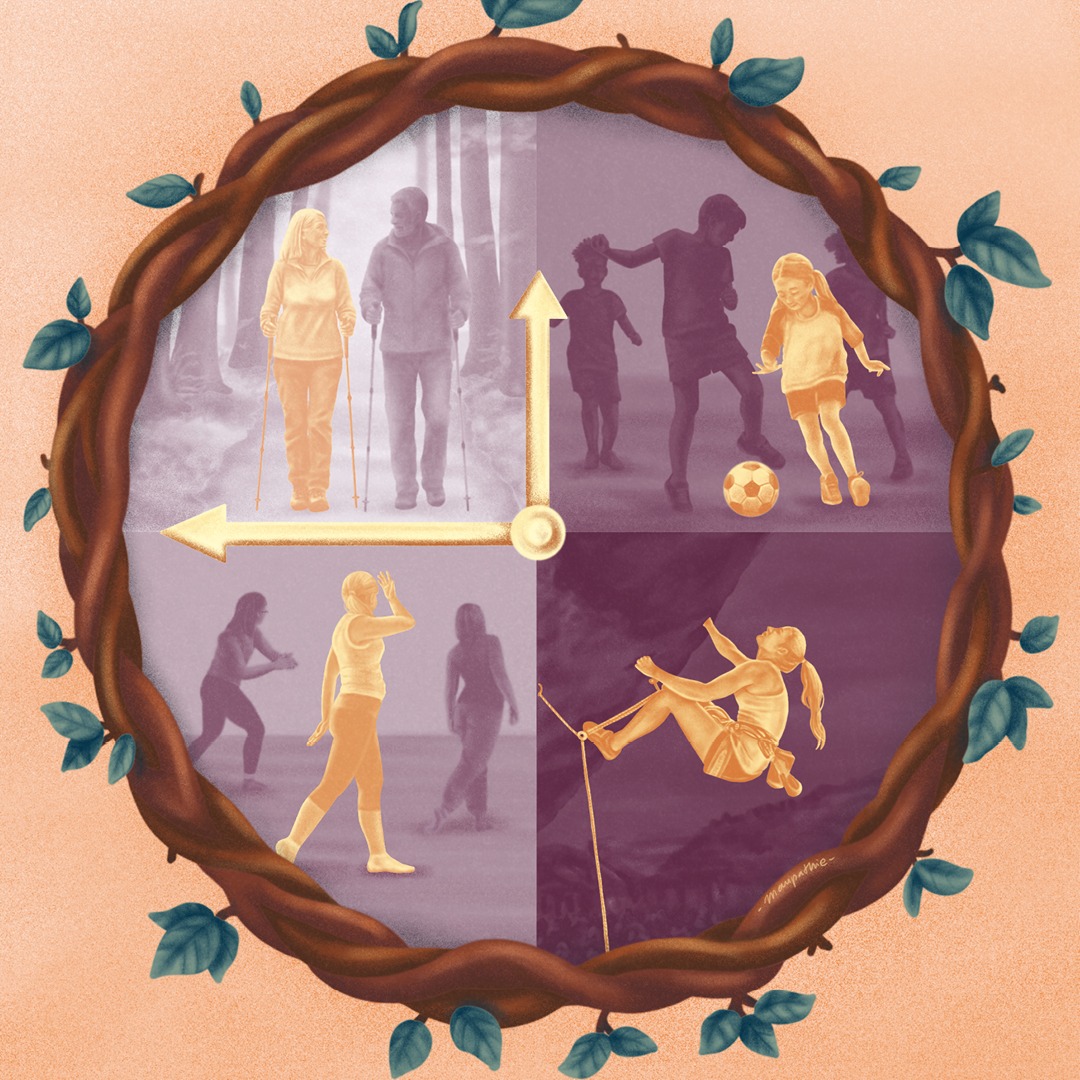
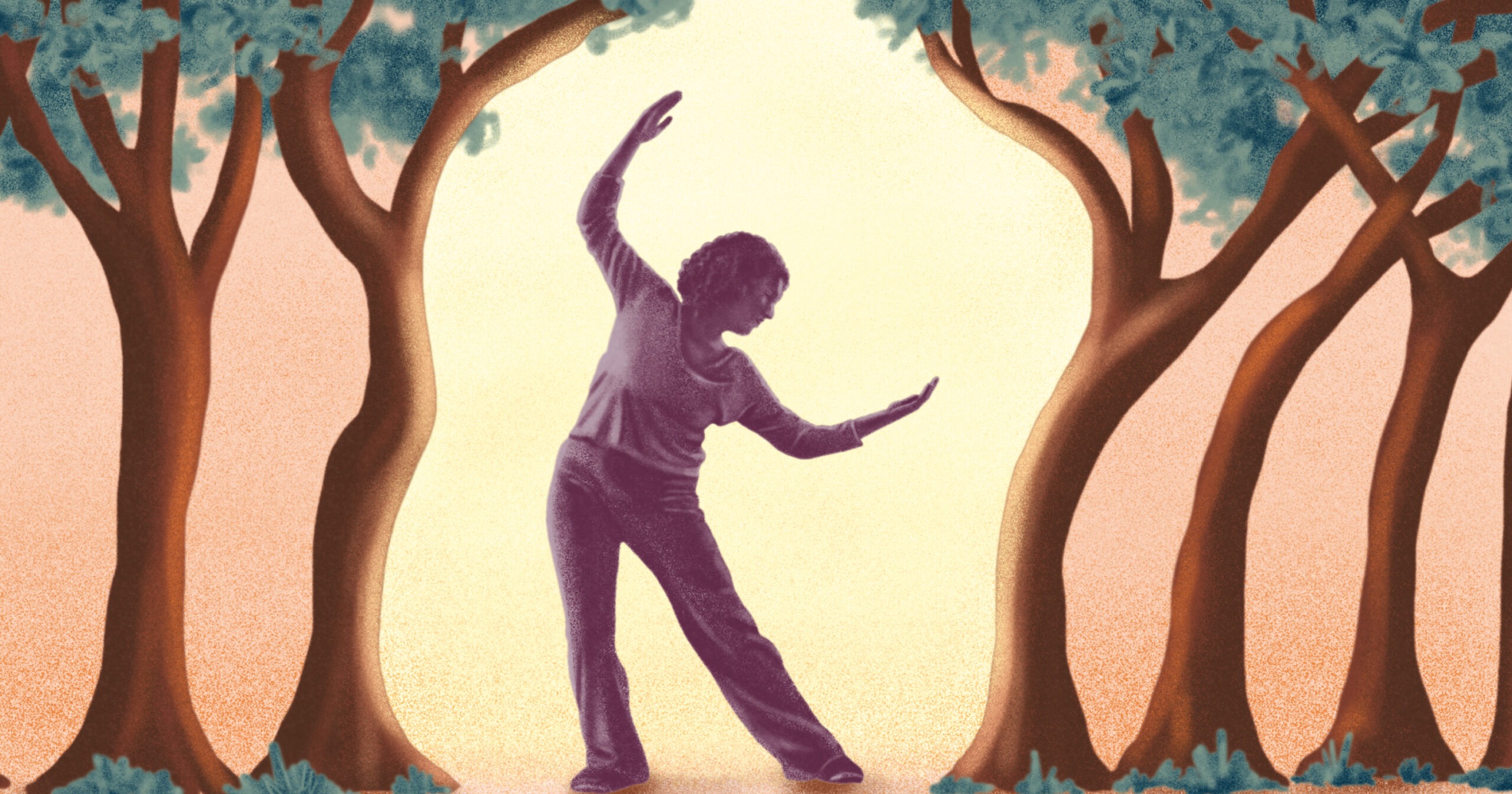
It can feel as if you’re being told every day about the benefits of exercise and how it can help you on all levels, not least living a longer and happier life. But the truth is, as you age, your body changes. And even if you’ve worked hard at staying fit all your life, exercising at 30 can feel like a different experience to exercising at 50.
While you can monitor changes such as bone density or recovery time on a digital app or be assessed by a fitness professional, as you age you may start to notice differences during and after exercise. That could be in alterations to your flexibility, muscle mass, strength, tendons and ligaments, or simply your balance when practising tree pose in yoga. Sometimes it could be one, a combination of or all of these.
Where a certain exercise or sport may once have been easy-peasy, there can be a sense that the odd ache, pain or even injury is creeping in; or maybe you feel a little more exerted than you once did after a run or a long walk.
Dr Hussain Al-Zubaidi is a GP, lifestyle and physical activity team lead at the Royal College of GPs, and a Team GB long-distance triathlete. As an advisor to Age UK, he has special expertise in working with fitness in people of all ages. ‘We have to accept that as we age, we will decline physically, that’s true no matter who you are,’ he says, ‘but [it’s more about] how that decline happens. It’s important to know you do have control over ageing, and it’s more plastic than people realise.’
The profound influence you can have on your fitness and thus your longevity was a key takeaway from a recent study, published in BMJ Medicine. Researchers tracked the exercise habits of 110,000 women and men (all healthcare professionals) in the US over more than 30 years. The extensive study found that while doing one type of exercise reduced the risk of death from any cause, those who took part in the widest mix of activities fared better, as their risk of death from cancer, heart disease, lung illnesses and other causes was between 13 to 41 per cent lower than others. The time spent exercising was key, too: six hours of moderate activity or three hours of vigorous exercise was the optimum amount each week, after which the benefits levelled off.
So the bottom line for a healthier, longer life seems to be stick to a mix of exercise, if you can, but don’t overdo it.
Accepting change
Angela Whitney, a craniosacral therapist and dispensing optician from East Sussex, is someone who has had to work hard on her physical condition through exercise since she was a child. Aged 10 she was diagnosed with sclerosis of the spine. ‘The condition meant my posture had become terrible and I had a big pot belly as a consequence,’ she says. Her parents were good at encouraging her to be active. ‘They got me into sports like swimming, cycling, running, you name it,’ she says. Exercise, she discovered, transformed her. ‘It gave me this inner core strength. Being fit and well made me feel so alive.’
As an adult, she and her husband shared a love of outdoor pursuits. ‘We went sailing, surfing, canoeing, rock climbing, potholing. Weekends we were always out walking, we even scaled Ben Nevis in Scotland.’ Once Angela had children, however, she had less time for her outdoor activities. ‘So I decided I had to change my direction. I took up Hatha yoga, and meditation, and they really helped me cope with the stress and sleep deprivation that came with having young children.’
She found that doing a mix of yoga and dancing kept her ‘hyper fit’, into her 40s. ‘But then the menopause hit. I kept pulling muscles; the osteopath told me it was due to hormonal changes. So that stopped me going dancing, which I loved. Work got busier, too, so I had less time to exercise.’ She adapted her fitness routine again, and being time-poor took up walking to work instead of driving. ‘I also began outdoor swimming. I found being in the sea was so good for my mental health, and a brilliant way to let go of stress. I just felt better all round.’
Tailoring exercise to your age
Accepting that fitness routines will need to be altered as you get older, having a positive attitude to physical changes and working to adapt to them will work in your favour, as Angela found out. The more open and adaptable you can be, the better, says Dr Al-Zubaidi. In this, self-awareness is your friend, and he says ‘listening to your body is vital. Studies show those who fare best understand they have to adapt to and work around what their body and their mind is telling them.’
On tuning into the messages your body is telling you, if you’re not able to do the movements you once could, that shouldn’t mean simply giving up. It’s a myth that as you age you should avoid vigorous physical activity, he says. ‘The reality is, as you get older, staying active becomes even more important. Vigorous activity, when appropriate for your fitness level, can help maintain muscle strength, bone density and heart health.
‘Of all the levers you can pull to change the trajectory of ageing, physical activity probably has the most solid evidence base to show that it helps… and can have a huge impact.’
What about those bothersome aches and pains: are they a sign of the body wearing out and you should stop exercising? Not at all. ‘Aches and pains are often a sign of inactivity, rather than the body wearing out. In fact, movement helps joints stay lubricated.’
That said, if an activity such as running is adversely affecting your joints, it may be time to modify your routine. And some conditions, such as arthritis, do need special care if they cause discomfort during exercise. ‘It’s always recommended to work within your pain threshold,’ says Dr Al-Zubaidi. But many people do find that ‘with regular movement, these symptoms improve’.
He adds: ‘Those who do best understand that they have to adapt to and work around what their body and their mind is telling them. You may find you’re not able to do the movements like you used to do. What that shouldn’t mean is that you then don’t do any movement. Ask yourself: How can I work around this in order to achieve that?’
An excellent starting point is to talk to a sports professional, be that a dance or group exercise instructor or personal trainer. ‘They can be very good at [helping you with] that,’ says Dr Al-Zubaidi. ‘If you’re finding a particular movement challenging, don’t hesitate to ask them for ideas on how these can be adapted for you.’ You can also work on this yourself; if a certain activity has become more difficult, break it down and think, what can I do to train myself to get stronger? A bit of stress carefully managed is healthy too. ‘Do allow yourself time to recover and adapt, but also do stress the body a bit. As soon as you stop doing certain things, your body will decline, because it no longer needs to maintain that. But if you keep stressing the body in a safe, controlled way, it will look to maintain those functions for as long as possible.’
It’s well-known that this applies if you want to strengthen your bone density. Putting the bones under load with ‘weight-bearing activities, and ensuring you’re getting good vitamin D and calcium to maintain it’ are good.
Finding the right balance
Stressing the body productively is one thing, but some physical symptoms are warning signs, including being unsteady to the point of being at risk of falling over, heart pain, shortness of breath or feeling very dizzy and sick; any of these need to be checked out with a healthcare professional. Chronic injuries are another reason to seek professional help, such as booking in with a first contact practitioner (FCP) at your GP surgery.
‘But for the majority of us, finding something challenging shouldn’t deter us from doing it,’ says Dr Al-Zubaidi, advising ‘breaking it down into simpler steps to get yourself back to where you don’t find it as challenging any more’.
That a lifetime of staying active can keep you looking and feeling young as well as healthy was the conclusion of a 2018 study by the University of Birmingham and King’s College. The study, of 125 amateur cyclists aged 55 to 79 (84 male, 41 female), showed that loss of muscle mass and strength did not occur in those who exercise regularly; the participants did not increase their body fat or cholesterol levels with age; the men’s testosterone levels also remained high. Their immune systems were also ‘making as many T cells as those of a young person’. Professor Janet Lord, director of the Institute of Inflammation and Ageing at Birmingham University, said: ‘Importantly, our findings debunk the assumption that ageing automatically makes us more frail.’ The study meant ‘we now have strong evidence that encouraging people to commit to regular exercise throughout their lives is a viable solution to the problem that we are living longer but not healthier.’
Heart and soul
If that study showed you can change how you age with exercise, it can keep you looking youthful, too, believes Dr Al-Zubaidi. ‘When people stay fit and active, they tend to look younger… just having more energy comes across in your movements, how you hold your posture.’
That’s before you’ve got to exercise’s influence on your mental health. The strong links between physical activity and better mental health are well-researched, including cognitive function: activities such as dance can be useful because learning moves and steps is working your brain.
Angela, who’s trained as a massage therapist, is well aware of the deep interconnectedness of body and mind. Now in her 50s, if she does have aches and pains she has no intention of stopping exercising. In fact, she finds that doing more helps. And she stays open to new approaches, such as chair yoga. ‘I thought why not give it a go? A yoga teacher once told me it’s the mind that helps strengthen and tone muscles, so if you put your mind into the muscles you’re working on, it will improve them.’
More frequent yoga sessions have given her a stronger core, better posture and feel-good hormones, boosted by her hobby ‘taking pictures of architecture and nature, so I’m up and down at all levels with my camera’. She also enjoys Qigong, a traditional Chinese practice combining movement, meditation and breathing, twice weekly. ‘So good for clearing the mind, and that brings me better physical health. You’re not stuck in inertia. You’re in a higher level of joy and flow, and personal power too.’
Pleasure is a driver here, and the importance of enjoying your exercise cannot be overstated, says Norman Lazarus, emeritus professor at King’s College London, who worked on the older cyclists study. ‘Most of us who exercise have nowhere near the physiological capacities of elite athletes… We exercise mainly to enjoy ourselves. Nearly everybody can partake in an exercise that is in keeping with their own physiological capabilities.
‘Find an exercise that you enjoy, in whatever environment that suits you, and make a habit of physical activity. You’ll reap the rewards in later life by enjoying an independent and productive old age.’
In that context, competing with others doesn’t matter: to get the health benefits from your activity, you don’t even need to be any good at it, says Dr Al-Zubaidi, ‘but what is important, is that it puts a smile on your face.’
5 exercises for any age
Adapting the exercise you do to your changing body is key to avoiding injury. Exercises that are easier and appropriate for an older body include some of the following, plus newer sports such as padel and also walking football, both among the fastest growing sporting activities.
Core exercises
One of the best and safest ways to improve balance, strength and stability, vital physical elements as you age. ‘A strong core is more than just abs – it supports posture, protects the spine and improves everyday movements like standing, walking and bending. For seniors, this means better balance, fewer injuries and more confidence in daily life,’ writes WellFit Insider. Core exercises, such as the bridge or plank position, can help reduce risk of falling, support staying active and maintain independence. They can be done alongside other sports as they help to prevent issues with hips and knees that can appear in later life, and reduce tension and strain in other areas of the body.
Strength training
A now well-documented ‘key component of overall health and fitness for everyone’ according to Mayo Clinic. Strength training can help reduce body fat and increase lean muscle. It can be great for bone health too: stressing the bones by using free weights, weight machines or resistance bands can increase bone density and reduce the risk of osteoporosis, a health condition that weakens bones, making them fragile and more likely to break. Two or more strength training sessions per week will work all the major muscle groups, advises the NHS, and building muscle in this way can contribute to better balance and reduce the risk of falls.
Yoga and pilates
Both can ‘improve flexibility, strength, balance, postural awareness, mental health, breathing and quality of life in a non-impactful way’ writes NHS musculoskeletal physiotherapist Phoebe Cassedy of Keeping Strong, not to mention their social benefits. They boost mobility by improving range of motion of joints and length of muscles (countering age-related changes such as stiffness). Improves strength by challenging muscles to move and hold positions, often with your body weight as the resistance – which also plays a role in strengthening bone density, which decreases with age. They’re excellent ways to challenge balance, and aiming for optimal posture via neutral alignment of the spine and pelvis.
Swimming
A fantastic all-round, low-impact cardiovascular exercise, regular swimming is great for maintaining a healthy heart as well as working the lungs, and can improve cholesterol levels. The sport is an effective way to build and maintain muscle strength and stamina, particularly important in seniors, as the water provides natural resistance. It also improves flexibility and range of motion. According to the American Heart Association, adults should aim for at least 150 minutes of moderate-intensity aerobic exercise per week and swimming is a great way to help you reach that goal.
Padel
One of the world’s fastest growing sports, padel is a fun and social doubles racket game that combines elements of tennis and squash. While it can be enjoyed at all levels, it can be especially appealing to older adults, notes UK Padel, as a padel court is shorter than a tennis court, so you don’t have to run as much as in tennis, yet it still provides a great workout. Other health benefits are that it ‘improves cardiovascular health, and strengthens core muscles, balance and reflexes – all without the joint strain of high-impact sports like squash or running.’
Pain should never be ignored. If you’re experiencing pain while exercising, speak to your GP, a certified physical trainer or a physiotherapist.