
Stories about certain foods are common currency today, as they have been throughout the ages. Lots of children are brought up on tales of carrots helping them see in the dark or spinach building bulging biceps. Maybe you eat bread crusts to make your hair grow curly or avoid cheese at bedtime for fear of nightmares. Food foibles are often used to encourage people to eat more of certain foods and to avoid others. Usually they’re dismissed as being old wives’ tales, but sometimes there’s a grain of truth to be found among the nutritional facts that lie behind the fiction.
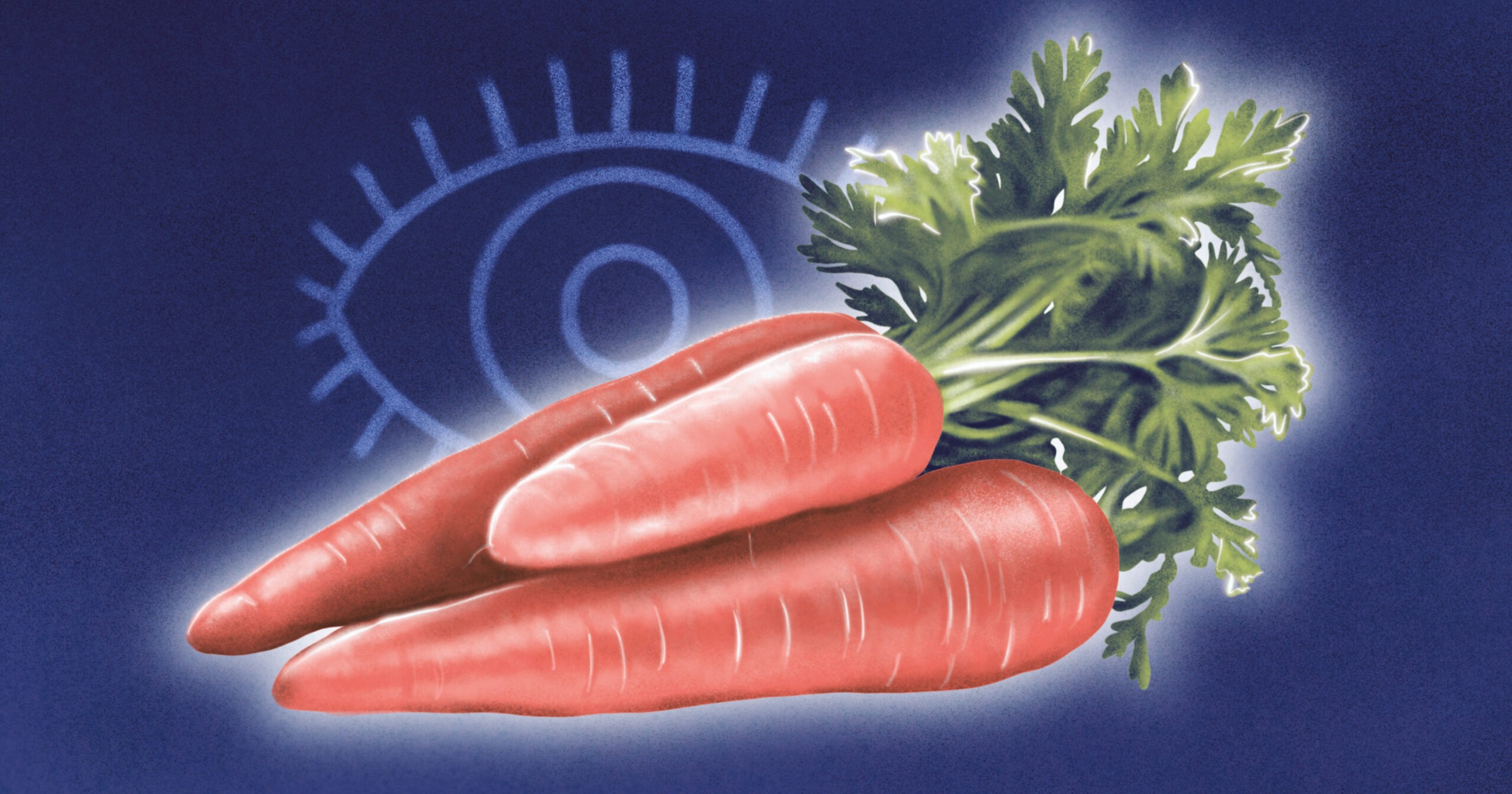
Myth 1: Carrots help you see in the dark
Carrots don’t give you night vision – otherwise James Bond would have swapped his martinis for carrot juice long ago. Carrots do, however, promote healthy vision, thanks to their high level of vitamin A. They get their orange colour from a plant pigment called beta-carotene, which the body’s enzymes convert to a form of vitamin A called retinol. This aids the formation of the pigment rhodopsin that’s found in cells known as rods in the retina at the back of the eye. These cells are responsible for your vision in low light, so without vitamin A you could develop night blindness.
Nutritionist Jane McClenaghan, from Vital Nutrition in Belfast, explains: ‘Food rich in beta-carotene can help you see in low light – but you can get beta-carotene from any fruit or veg that’s orange-coloured, such as oranges, sweet potatoes, pumpkins and cantaloupe melons.’
The story that carrots boost night vision originates from British propaganda during World War Two. Carrots are a root vegetable commonly grown in the UK, so the allies started a rumour that airmen were eating them to help them shoot down German bombers over London during night-time raids. Government adverts claimed: ‘Carrots keep you healthy and help you see during the blackout’. A generation of wartime kids were even given carrots on sticks as a substitute for ice lollies.
Myth 2: Spinach gives you muscles like Popeye
‘I’m strong to the fin-ish cause I eats me spin-ach,’ goes the theme song to the iconic cartoon, Popeye the Sailor Man. During run-ins with his enemy Bluto, Popeye is seen slugging back the contents of a can of spinach, which instantly makes his muscles bulge. Traditionally, it was the iron content of the leafy green vegetable that bodybuilders believed would make them stronger. A 100g serving of raw spinach contains 2.7mg of iron, or around 13 per cent of your recommended daily intake. It’s also rich in vitamin C, which aids iron absorption in the body. However, there are richer sources of iron, including legumes, red meat, tofu and even dark chocolate. So why wasn’t Popeye popping open a can of lentils instead?
The best thing to eat for improved strength is a well-balanced diet that includes quality protein, carbohydrates and healthy fats. These all play a role in building muscle. Jane, who is the author of The Vital Nutrition Cookbook, says: ‘Don’t rely on spinach for iron, as it also contains oxalates which can impair iron absorption. There are better vegetarian sources of iron, such as kale, dried fruit and broccoli.’
Myth 3: Bread crusts make your hair grow curly
For generations, parents have employed various underhand tactics to get their kids to eat their sandwich crusts – one of the most common ones relates to hair growth. Perhaps you were told as a child that leaving your crusts would make your hair fall out, or eating them would give you beautiful curls? It’s been suggested that the myth originated in Europe several hundred years ago when a thick head of curly hair was believed to be a sign of good health. Sadly, there’s no scientific evidence to support the idea that eating bread crusts will make your hair curl.
Jane says: ‘Bread crusts will not give you curly hair – or put hairs on your chest – those things are determined by your genes.’ But eating your crusts could improve your health in other ways. In 2002, researchers found that the crust of a loaf carries higher levels of a cancer-fighting antioxidant called pronyl-lysine than the soft centre. Your choice of bread is also important, with whole wheat, rye and sourdough offering more nutritional value than highly processed white loaves. If you want healthy hair, Jane suggests eating protein and omega 3 and 6 essential fatty acids, found in oily fish, chia or flax seeds and avocados. ‘Try topping a slice of sourdough toast with smashed avocado and chia seeds,’ she says.
Myth 4: Eating pips plants a tree in your tummy
If you avoid swallowing apple, pear or melon seeds due to the fear that a tree will sprout inside you, it’s time to stop worrying. In reality, the stomach is a harsh environment full of strong acids and enzymes that break food down, while seeds need moisture, warmth and sunlight to germinate. It’s likely this story originated from parental concern about children choking on larger pips or seeds and – like many old wives’ tales – has been passed down through the generations. Some people point to the fact that apple pips do contain tiny amounts of cyanide, but a 2015 study by the University of Leeds found you would need to eat between 83 to 500 apple seeds to suffer acute cyanide poisoning.
Instead of causing harm, many seeds offer real nutritional benefits. Watermelon seeds in particular are a good source of minerals including magnesium, iron and phosphorus, as well as zinc, folate, calcium and healthy fats. If you’re eating watermelon, try to chew the seeds to ensure your body absorbs the nutrients – otherwise their hard casing means they can pass straight through your digestive system. Jane recommends buying milled chia or flaxseeds for smoothies and sprinkles. You can also dry out larger seeds, such as you’d find in a pumpkin, roast them and use them as a crunchy salad topper.
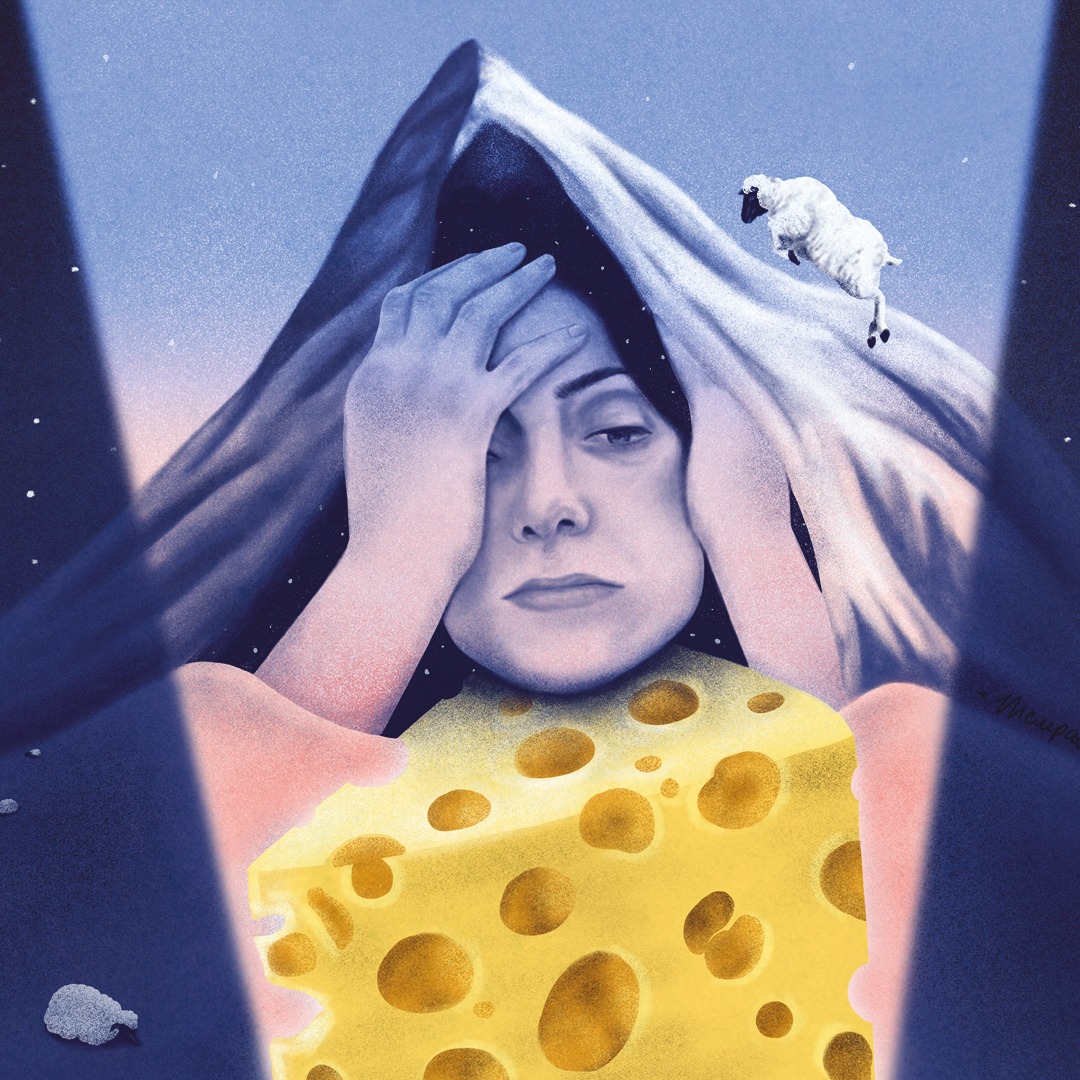
Myth 5: Eating cheese at bedtime gives you nightmares
Charles Dickens may be responsible for the belief that snacking on cheese before bed gives you bad dreams. In A Christmas Carol, Ebenezer Scrooge tries to pass off the appearance of Marley’s ghost as indigestion, saying: ‘you may be an undigested bit of beef, a blot of mustard, a crumb of cheese…’
The link between cheese and sleep was further fuelled by a 2005 study called Sweet Dreams are Made of Cheese, published by the now-defunct British Cheese Board. It concluded that eating Stilton caused vivid dreams, while cheddar made people dream about celebrities. It wasn’t robustly researched or published in a peer-reviewed journal, but its fun premise meant that it was widely reported.
There’s no evidence that eating cheese for supper will give you nightmares – or ghostly apparitions – but research has shown that going to bed on a full stomach, or eating fatty foods such as cheese in the run-up to bedtime, can lead to poorer-quality sleep. Lighter sleep makes you more likely to remember your dreams if you wake during the night. Jane says: ‘Ideally you should take your last bite about three hours before you go to bed, because your body can’t rest properly if it’s busy digesting your dinner.’ So, in reality, sweet dreams are not made of cheese.
Myth 6: An apple a day keeps the doctor away
Probably the best-known dietary idiom, this one is thought to originate from an old Welsh saying. It was first printed in 1866 and originally went ‘eat an apple before going to bed and you’ll keep the doctor from earning his bread’. Apples are certainly a convenient, accessible and healthy snack. Numerous studies have linked regular apple consumption to a reduced risk of cancer, heart disease and diabetes.
Jane explains: ‘Research by the University of Reading found that participants who ate two apples each day for eight weeks lowered their blood pressure and cholesterol’. Apples contain dietary fibre, vitamins and flavonoids. Jane advises eating the skin for the full benefits – if you can’t get your hands on organic fruit, you might want to wash it in water before eating. ‘Choose apples that are grown locally, with minimal pesticides, if possible,’ she advises.
The bottom line is that no single food cures all. ‘There’s never going to be one food that provides the answer to all your health dreams – variety is key,’ says Jane. A balanced and varied diet is the best way to stay healthy. ‘There’s no such thing as a good or bad food, but you can have a good or bad diet. It’s about balance.’
For more on Jane’s work, visit vital-nutrition.co.uk or follow @vital.nutrition on Instagram